What Is the CROWN Act?
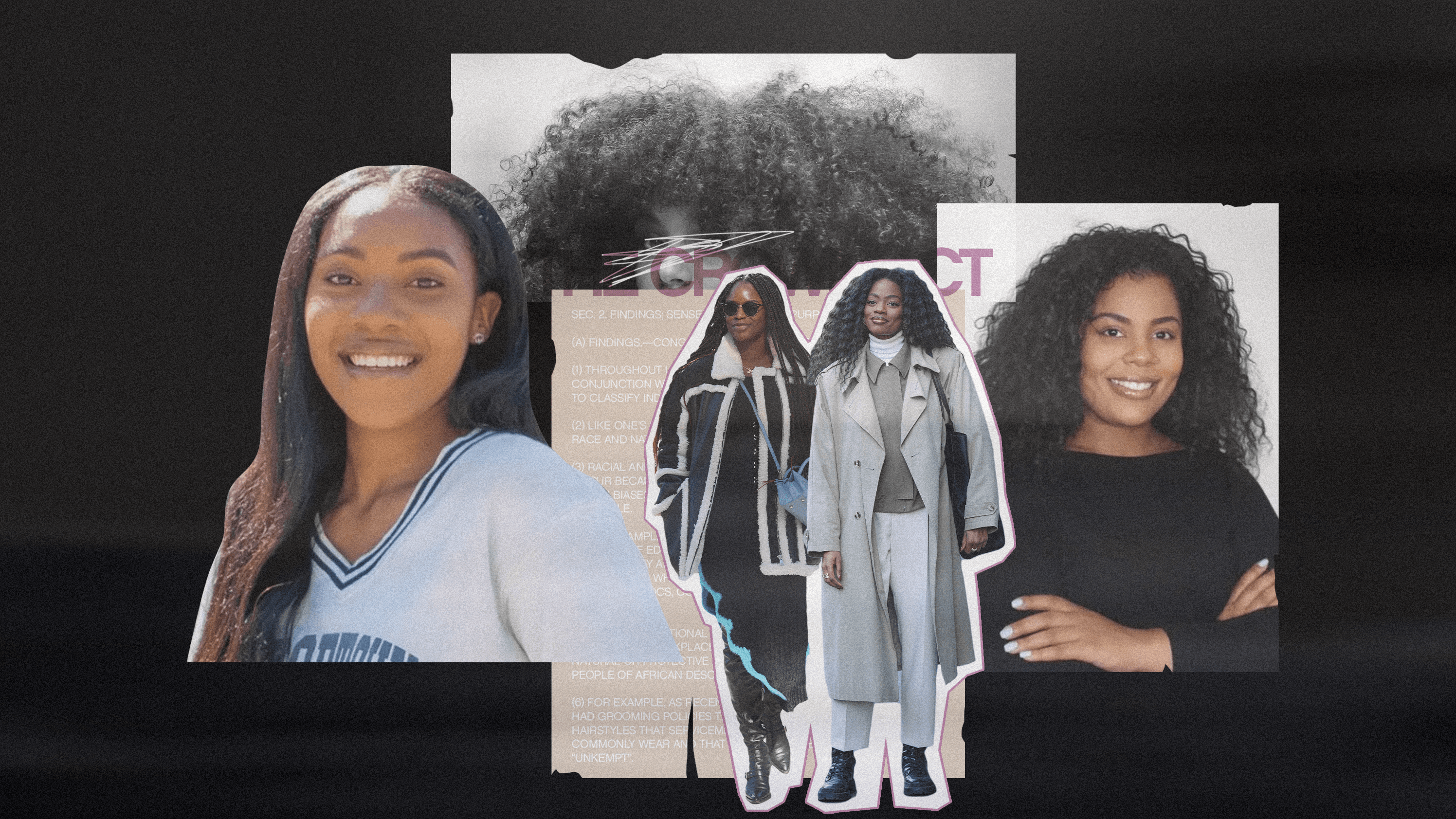
The CROWN Act — Creating a Respectful and Open World for Natural Hair — is legislation that prohibits discrimination based on hair texture and protective hairstyles. It specifically protects styles like locs, braids, twists, Bantu knots, and afros in workplaces and schools.
Why It Was Needed
For decades, Black Americans faced real consequences for wearing their natural hair:
- Students sent home from school for wearing locs
- Job applicants rejected for braids deemed "unprofessional"
- Military service members penalized for natural hair that didn't conform to Eurocentric grooming standards
- Children barred from sports events because of hair accessories in their locs
The CROWN Act recognizes that hair discrimination is racial discrimination — because natural hair textures and protective styles are inherently tied to racial identity.
Where It's Law
As of 2026, the CROWN Act has been passed in over 25 states, with many more considering legislation. Key states include California (the first, in 2019), New York, New Jersey, Colorado, Virginia, Maryland, and Washington. At the federal level, the CROWN Act passed the House in 2022 but has yet to pass the Senate.
What the CROWN Act Protects
In the Workplace
- Employers cannot enforce grooming policies that disproportionately affect people with textured hair
- You cannot be denied employment, promotion, or fair treatment because of natural hair or protective styles
- "Professional appearance" policies that single out natural hair are prohibited
In Schools
- Students cannot be disciplined, suspended, or denied participation for wearing natural hair or protective styles
- Dress codes cannot target braids, locs, twists, or afros
What to Do If You Face Hair Discrimination
- Document everything — Save emails, policy documents, and take notes of verbal conversations
- Know your state's laws — Check if the CROWN Act applies in your state
- File a complaint — Contact your state's civil rights commission or the EEOC for workplace issues
- Seek legal counsel — Many civil rights attorneys offer free consultations for hair discrimination cases
How The Crown Directory Supports This Mission
Our name isn't a coincidence. The Crown Directory exists because natural hair, textured hair, and protective styles are worthy of expert care — not discrimination. We connect you with professionals who celebrate your crown.
Find professionals who celebrate your natural beauty. Browse The Crown Directory